
Towards A Sustainable and Scalable Digital Mental Health Ecosystem Through Accreditation and Activation
19 February 2026
Contributed by Caleb Tan
The rapid advancement of technology has transformed mental health care; with care options easily accessible and meeting individuals where they are most active - on their mobile devices, computers, and social media platforms.
Estimates suggest that there are over 10,000 digital mental health (DMH) applications available globally (Torous et al., 2025). However, many still fall short of baseline expectations for privacy, security, usability, or clinical effectiveness (World Economic Forum, 2022). This fragmented landscape makes it difficult for consumers and clinicians to identify safe, evidence-based, and effective solutions; and harder still to integrate digital solutions meaningfully into care pathways.
Harnessing digital mental health’s transformative potential while mitigating risk was a central theme at the Singapore Round Table on Digital Mental Health, held on 18 July 2025, convening thought leaders from Singapore, Australia, Canada and the UK.
Co-organised by MOHT with the eMental Health International Collaborative (eMHIC), the Roundtable explored ways to build a sustainable and scalable mental health ecosystem through accreditation and activation.
Insights and recommendations would inform a comprehensive guide, empowering stakeholders to co-create a digital mental health ecosystem that blends technological innovation, human empathy, cultural sensitivity, and sustainable efficacy.
An illustrious panel – including the Honourable Senator Katherine Hay (Senate of Canada, and President & Co-CEO (Retired) at Kids Help Phone (Canada)), Ms Krista Vanderheide (Assistant Secretary, Australian Government Department of Health and Aged Care), Ms Liz Ashall Payne (Founding CEO, ORCHA), and Prof Andrew Greenshaw (Professor of Psychiatry and Neuroscience, University of Alberta) – discussed the facets needed for a strategic, sustainable, and scalable ecosystem.
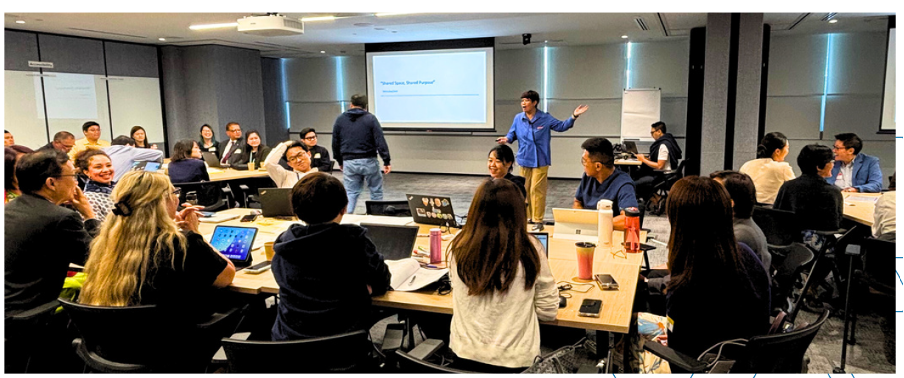
Photo 1: Facilitated by Prof Andrew Greenshaw and Dr Eunice Wong of MOHT, the session welcomed over 40 participants and featured breakout discussions to co-vision a future-ready DMH ecosystem that is inclusive, ethical, and outcomes-driven.
Foundations for a Sustainable Ecosystem: The Five Quality Domains
To ensure DMH solutions effectively enhance mental health outcomes, five quality domains need to exist:
Accessibility – Solutions should overcome barriers of cost, geography, language, and connectivity.
Appropriateness – Care should be tailored to individual and population needs using real-time data, AI, and patient histories for relevant and personalised services.
Acceptability – Tools should be easy to navigate, culturally sensitive, stigma-free, and privacy-conscious to build user comfort and trust.
Effectiveness – Digital interventions should deliver measurable improvements in health outcomes.
Safety – Safeguarding against medical errors, cyber threats, and ensuring psychological safety is critical.
These guiding principles underpin both accreditation criteria and activation strategies that will drive a sustainable and scalable ecosystem.
Accreditation as a Driver of Quality and Trust
Accreditation forms the backbone of a sustainable digital mental health ecosystem. In a market flooded with thousands of apps – many of which lack basic safeguards – accreditation serves as a critical gatekeeper. It ensures that only solutions meeting rigorous standards for clinical effectiveness, data privacy, cybersecurity, usability, and ethical considerations reach consumers and clinicians.
Said A/Prof Ong Say How, Senior Consultant Psychiatrist, Department of Developmental Psychiatry, Institute of Mental Health: “Accreditation is a multidimensional process that draws from clinical safety and efficacy at its foundation, layered by population and evaluation data, and finally driven by trust and adoption of the system.”
This aligns with Singapore’s National Mental Health and Well-Being Strategy 2023 , including the logic of a tiered model that can support risk-appropriate accreditation. Singapore’s existing digital initiatives (for example, mindline.sg) also signal an ongoing commitment to evidence-informed digital support that can be strengthened through robust quality assurance.
Activation: Turning Standards Into Real-World Impact
Accreditation is necessary, but not sufficient. Activation strategies are the critical bridge between visionary frameworks and tangible implementation, transforming digital mental health solutions into accessible, effective, and sustainable realities for Singapore's diverse population. Successful activation requires a comprehensive, multi-faceted approach that systematically addresses barriers, fosters widespread adoption, and ensures seamless integration of digital solutions into existing care pathways while maintaining high standards of quality and safety across all five quality domains.
Lessons from Global Roundtables
Insights from other global digital mental health roundtables by eMHIC reinforce several critical lessons:
Co-creation is essential: Consensus through co-creation with end-users and other stakeholders is paramount.
Integrated care: Physical and mental health must be managed jointly; they are not separate entities.
Enable timely support: Citizens need up-to-date monitoring and ability to access rapid intervention.
Evidence-based use-cases: Never implement products without an evidence-based use-case.
Validated outcome measures: Ensure that reliable, clinically validated outcome measures are in place.
Engage stakeholders early: Align what users will accept with what service providers can implement.
Leverage existing infrastructure: Avoid conventional electronic health records; capitalise on existing smart technology infrastructure.
Solutioning for patients requires putting users at the centre, understanding their challenges and needs; and then designing the most effective interventions that work best from their perspective, to deliver the greatest impact for them.
Said Prof Anil Thalipyal, Executive Director, eMHIC: “When it comes to digital mental health, we must focus on the service user, their families and carers. If it does not work for them, then it does not work at all.”
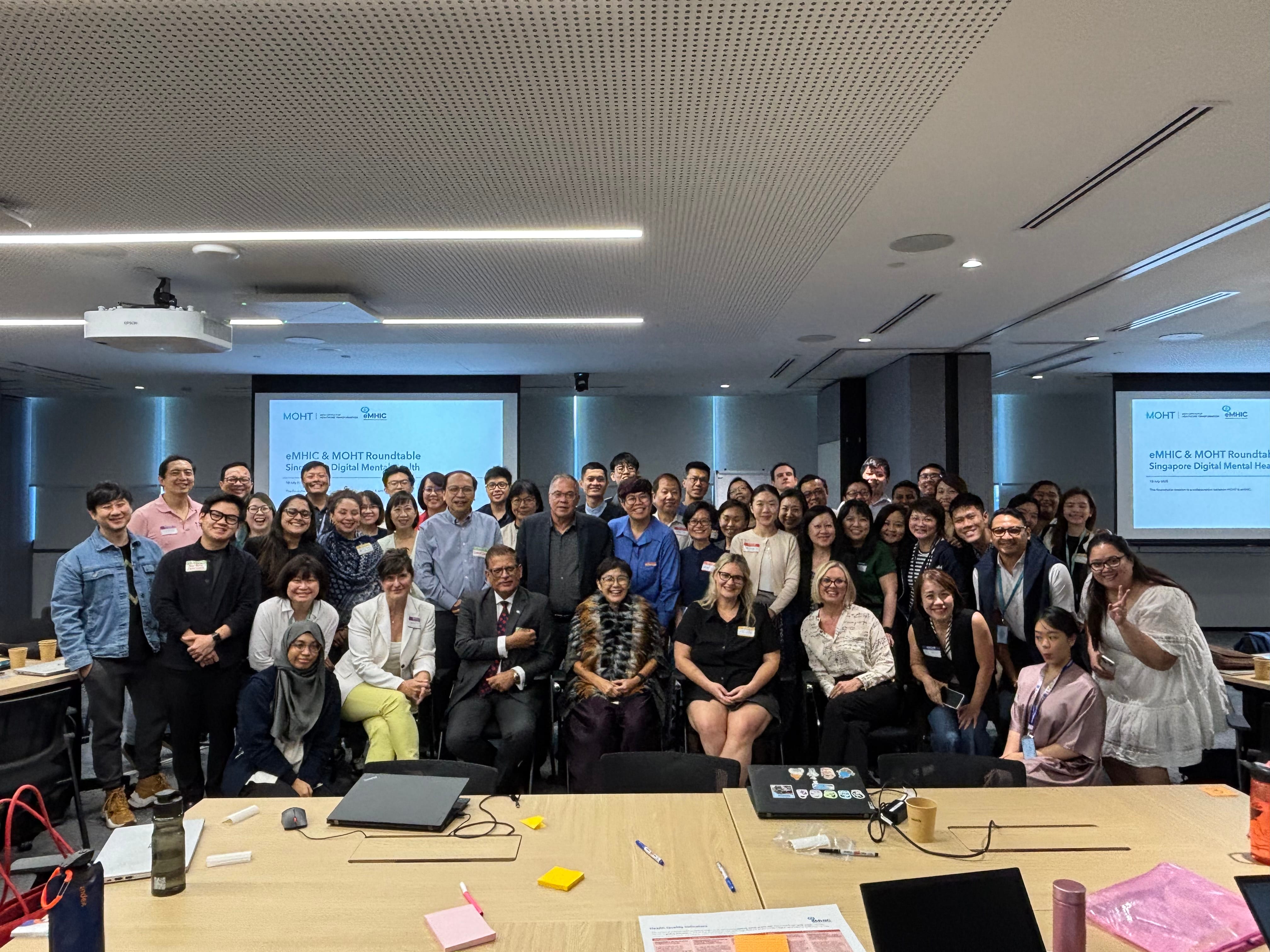
Photo 2: Participants of the Singapore Round Table on Digital Mental Health held at MOHT.
Key Takeaways and Insights
Building upon these global insights and the comprehensive discussions from the Digital Mental Health Roundtable, Singapore is well positioned to strengthen a DMH ecosystem that is technologically capable, human-centred, and trusted. A multi-pronged approach is needed, based on the following facets:
Develop a Comprehensive National Digital Mental Health Framework
Implement a Robust and Dynamic Accreditation Scheme
Prioritise User-Centered Co-Design and Lived Experience Integration
Enhance Mental Health Literacy and Drive Stigma Reduction
Foster Interoperability and Integrated Care Pathways
Strengthen Multi-Stakeholder Collaboration
Invest in Workforce Capability-Building and Trauma-Informed Care
Embrace AI’s potential
Integrating accreditation and activation creates a synergistic framework – transforming digital mental health from a collection of fragmented tools into a coherent, trustworthy ecosystem.
Said Ms Bettina Yeap, Principal Counsellor, Head of INSIGHT, Care Corner:
“The roundtable was a really helpful and conducive space for conversations, learning and the exchange of ideas. Creating safe spaces for open dialogue - both online and offline - is key to building trust amongst the different groups and communities so that we can be better resourced and coordinated to move forward together."
Read the full report to explore the insights and recommendations in detail.
Caleb Tan
Assistant Director, MOH Office for Healthcare Transformation
(partnerships Lead for mindline.sg)
Caleb leads partnerships and growth for mindline.sg, the digital first-stop for mental health in Singapore. He has a keen interest in behavioural economics and the use of technology to improve lives.
Caleb has extensive experience in employee wellbeing, specialising in designing and implementing digital health programmes.
Caleb has a Masters in Public Health from the Saw Swee Hock School of Public Health with a specialisation in Health Promotion.